Lifting Operations and Lifting Equipment Regulations 1998

LOLER Thorough Examinations

Independent LOLER thorough examinations for lifts, hoists, lifting accessories, MEWPs, vehicle lifts, cranes, tail lifts and lifting equipment used across work premises.

Clear reports, defect photos where needed, practical remedial guidance and impartial inspection support without relying on an insurer-appointed engineer.

LOLERIndependent reportThorough examination evidence
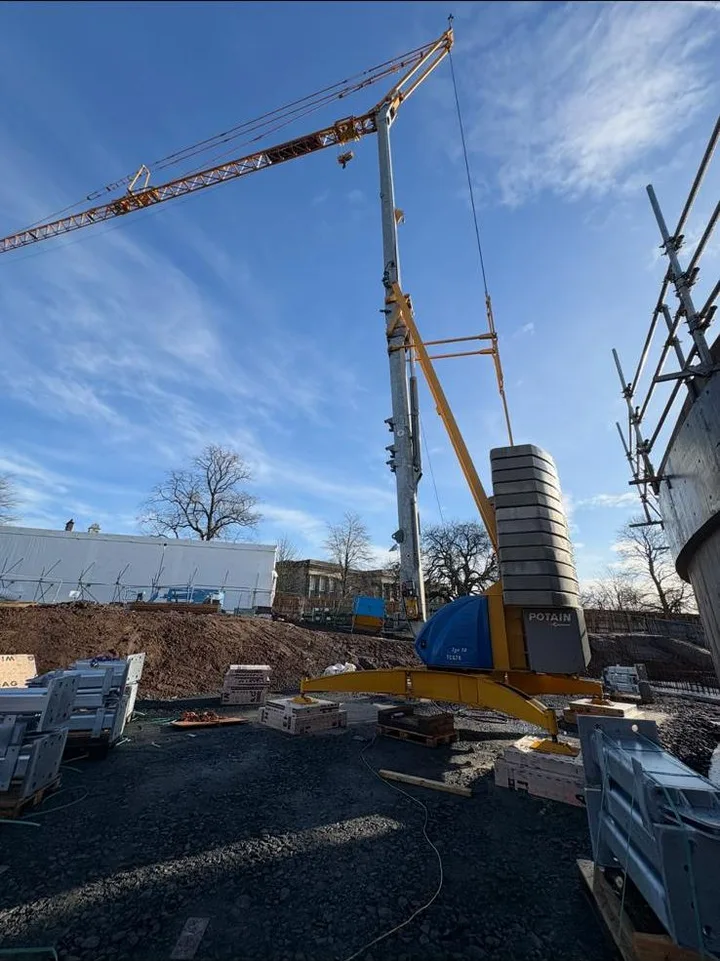
Potain tower crane undergoing a LOLER thorough examination on an Edinburgh construction site
LOLER thorough examinations for tower cranes, lifts, MEWPs and lifting equipment.

Typical scope

  • Passenger and goods lifts
  • Fork lift trucks and telehandlers
  • Vehicle lifts and tail lifts
  • MEWPs and scissor lifts
  • Hoists, slings, shackles and lifting accessories
  • Overhead, jib and small manual cranes

Expert guidance

What LOLER means in practice.

LOLER applies where lifting equipment is used at work. The duty is not only to arrange a periodic examination; the employer or equipment owner must be able to show that lifting equipment is strong enough, stable, marked where required, installed correctly and examined by a competent person at the right interval.

A thorough examination is a formal inspection of safety-critical condition. It is separate from routine servicing. Servicing can keep equipment operating, but it does not normally replace the impartial competent-person examination required under LOLER.

City Inspection Services focuses on reports that can be understood by the responsible person on site, not only filed away. Defects are described by severity, location and practical next action so the business can make fast decisions about continued use, repair or withdrawal.
What we check

  • Identification marks, safe working loads and equipment traceability
  • Condition of chains, ropes, hydraulics, brakes, controls and structural parts
  • Wear, corrosion, distortion, cracking, missing pins and damaged safety devices
  • Evidence that lifting accessories are paired with the correct equipment and duty
  • Previous reports, defect close-out and next examination dates
  • Whether the examination interval is suitable for the way the equipment is actually used

Direct answers

LOLER answers for quick decisions.

What is a LOLER thorough examination?

A LOLER thorough examination is a formal competent-person examination of lifting equipment and lifting accessories used at work. It is separate from servicing and should produce a report that identifies the equipment, condition, defects, urgency and next examination date.

How often does LOLER inspection need to happen?

Common intervals are 6 months for lifting equipment used to lift people and for lifting accessories, and 12 months for other lifting equipment unless a suitable written scheme sets a different interval.

What should be ready before a LOLER visit?

Prepare the asset list, equipment IDs, previous reports, repair evidence, hired equipment documents, access arrangements and a site contact who can explain how each item is used.

Compliance planning

What duty holders need to evidence.

A strong inspection record should show the asset, the examination scope, defects, urgency, follow-up actions and the next due date. City Inspection Services keeps this practical for site teams and management.

  • Lifting failures can expose workers, visitors and the public to immediate serious injury risk.
  • Insurers, auditors and principal contractors commonly ask for current LOLER reports before equipment is allowed on site.
  • A missed lifting accessory or unclear asset register can create a real compliance gap even when the main lift truck or hoist has been inspected.

Inspection timing

  • Equipment lifting people: commonly every 6 months
  • Lifting accessories: commonly every 6 months
  • Other lifting equipment: commonly every 12 months or to a written scheme

Evidence

Records to keep

  • Current report of thorough examination for each asset
  • Asset ID, location, make, model and safe working load where available
  • Defect actions, repair evidence and confirmation that serious defects were managed
  • Written scheme of examination if used instead of the default interval
  • A register showing what is owned, hired, moved between sites or removed from service

Risk indicators

Common defects

  • Unmarked or illegible lifting accessories
  • Damaged slings, hooks, chains, shackles or latches
  • Hydraulic leaks, worn pins or distorted forks
  • Missing guards or damaged controls on lifting equipment
  • Overdue examinations caused by unclear asset ownership

Method

How the visit works

  1. Confirm the equipment list, locations and access arrangements.
  2. Examine each item against its condition, use, duty and available records.
  3. Explain urgent defects before leaving site where continued use may be unsafe.
  4. Issue a clear report with defect severity and next examination guidance.
  5. Help the responsible person plan follow-up examination dates.

Prepare the visit

LOLER Inspection Readiness Checklist.

Use this checklist before a LOLER visit to reduce missed assets, unclear IDs and avoidable return visits.

Before you enquire

  • Confirm the full lifting equipment and accessory register
  • Make equipment available for examination
  • Separate owned, hired and moved equipment
  • Identify equipment that lifts people
  • Confirm access to plant rooms, workshops and roof areas where needed

Frequently asked questions

LOLER inspection questions.

Is LOLER the same as servicing?

No. Servicing is maintenance. A LOLER thorough examination is a formal competent-person examination of lifting equipment condition and safety-critical parts.

How often is a LOLER thorough examination needed?

Common intervals are 6 months for equipment lifting people and lifting accessories, and 12 months for other lifting equipment, unless a written scheme sets another suitable interval.

Can hired equipment still need checking?

Yes. The duty holder should be able to show that hired equipment has current evidence of thorough examination and remains suitable for the work being done.

Authority map

More LOLER guidance by equipment and sector.

Equipment

Passenger Lift LOLER Inspection

Passenger lifts create a high-expectation compliance duty because building users, residents, staff and visitors rely on them every day.

Equipment

Vehicle Lift LOLER Inspection

Vehicle lifts in garages and workshops sit at the overlap between lifting equipment condition, operator safety and clear workshop records.

Case studies

LOLER examples from local inspection work.

Official guidance

Sources and regulation context.

HSE LOLER guidance

Use official HSE guidance alongside site-specific competent-person inspection advice.

Book an inspection

Need a clear compliance report?

Send the equipment list, site postcode and any due dates. City Inspection Services will confirm scope, availability and the most sensible inspection schedule.

LOLERPUWERPSSRThorough examination

Quote intake

Site, assets, due dates.